WHERE URBAN LIFE MEETS
LIVING LANDSCAPES
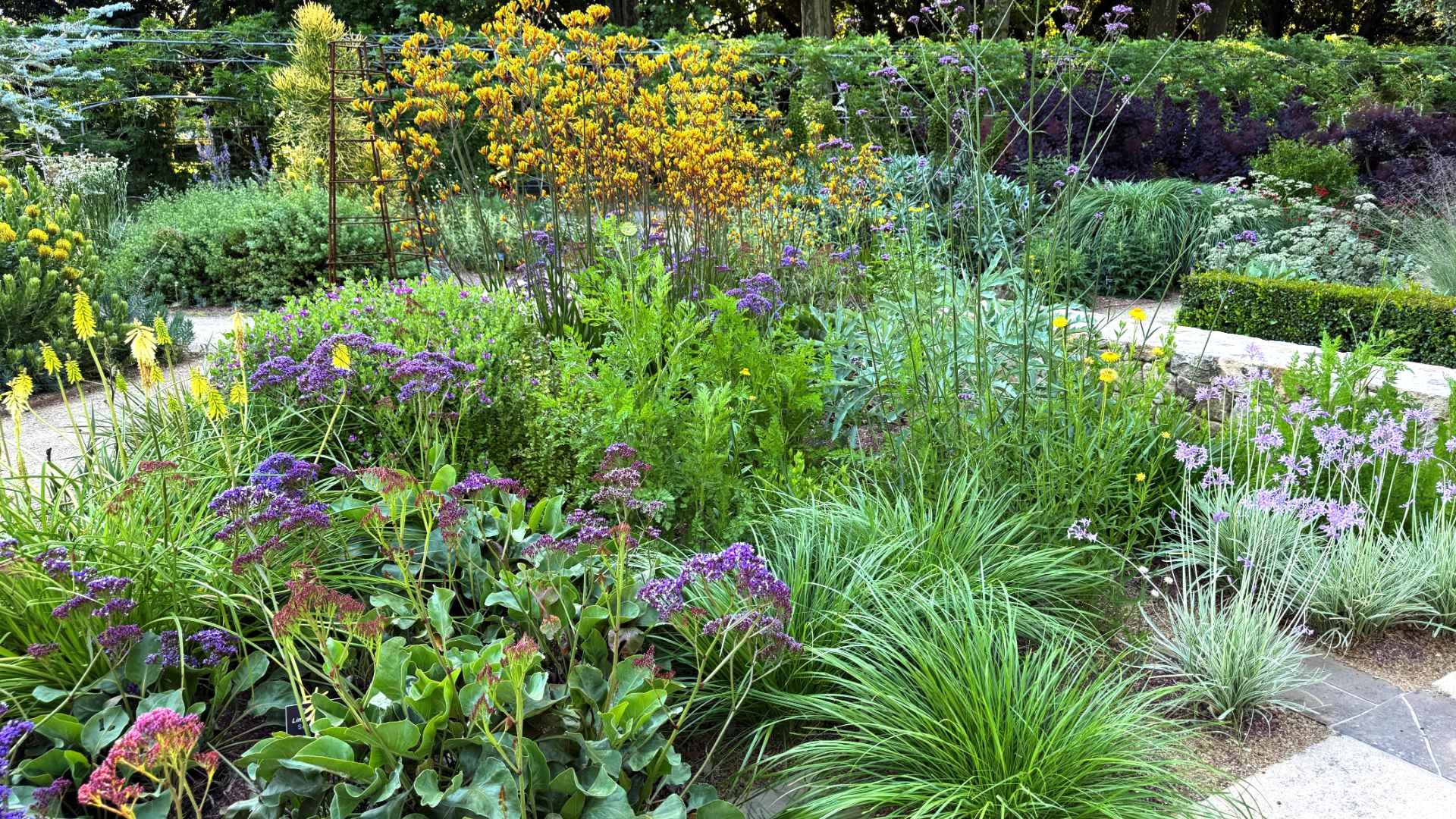
Welcome to the 600 Collins Nature Activation — an immersive nature experience in the heart of the city. This activation explores innovative ways of integrating planting into the urban environment, from hoarding to streetscape planters, to support biodiversity and spark conversation about nature in the city.
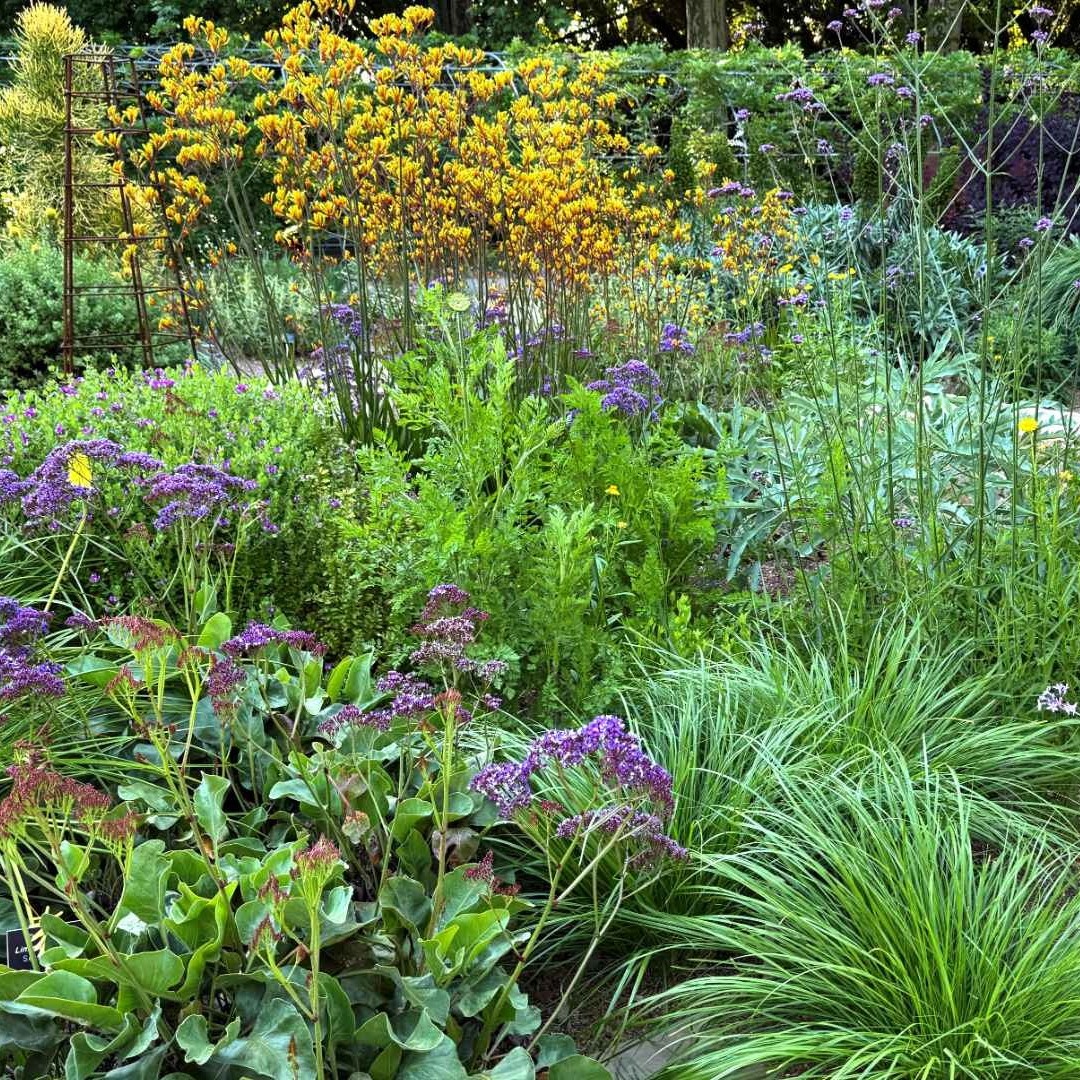
Inspired by the Australian Naturalistic Movement, the planting palette embraces naturalistic design and seasonal change.
Hines and collaborators acknowledge the Wurundjeri Woi-wurrung People of the Kulin Nation as the Traditional Owners of the land and pay respect to Elders past and present.
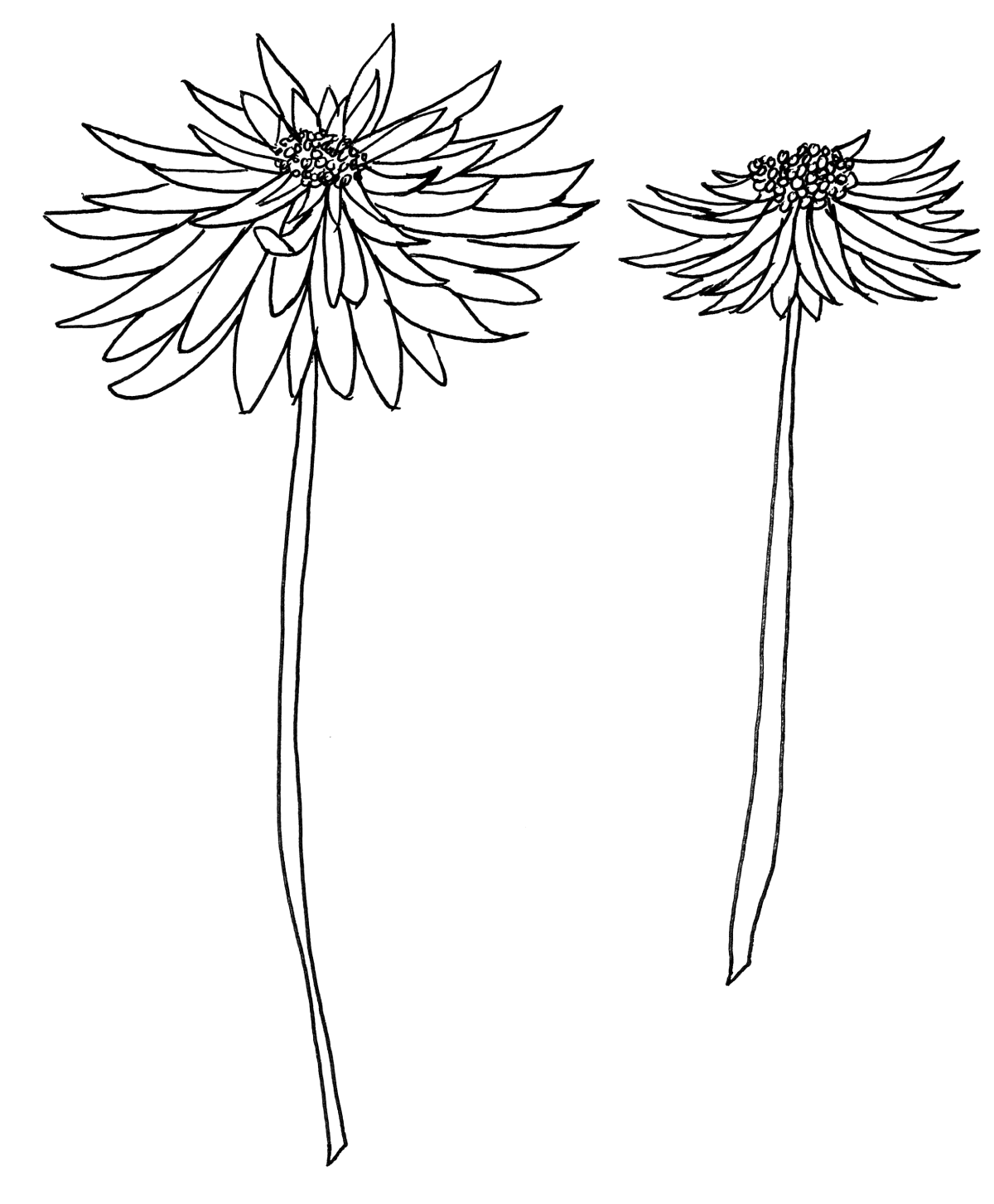
SWAMP EVERLASTING:
XEROCHRYSUM PALUSTRE
The Swamp Everlasting, Melbourne’s floral emblem, symbolises resilience. Though threatened, this native species shows remarkable tenacity in survival.
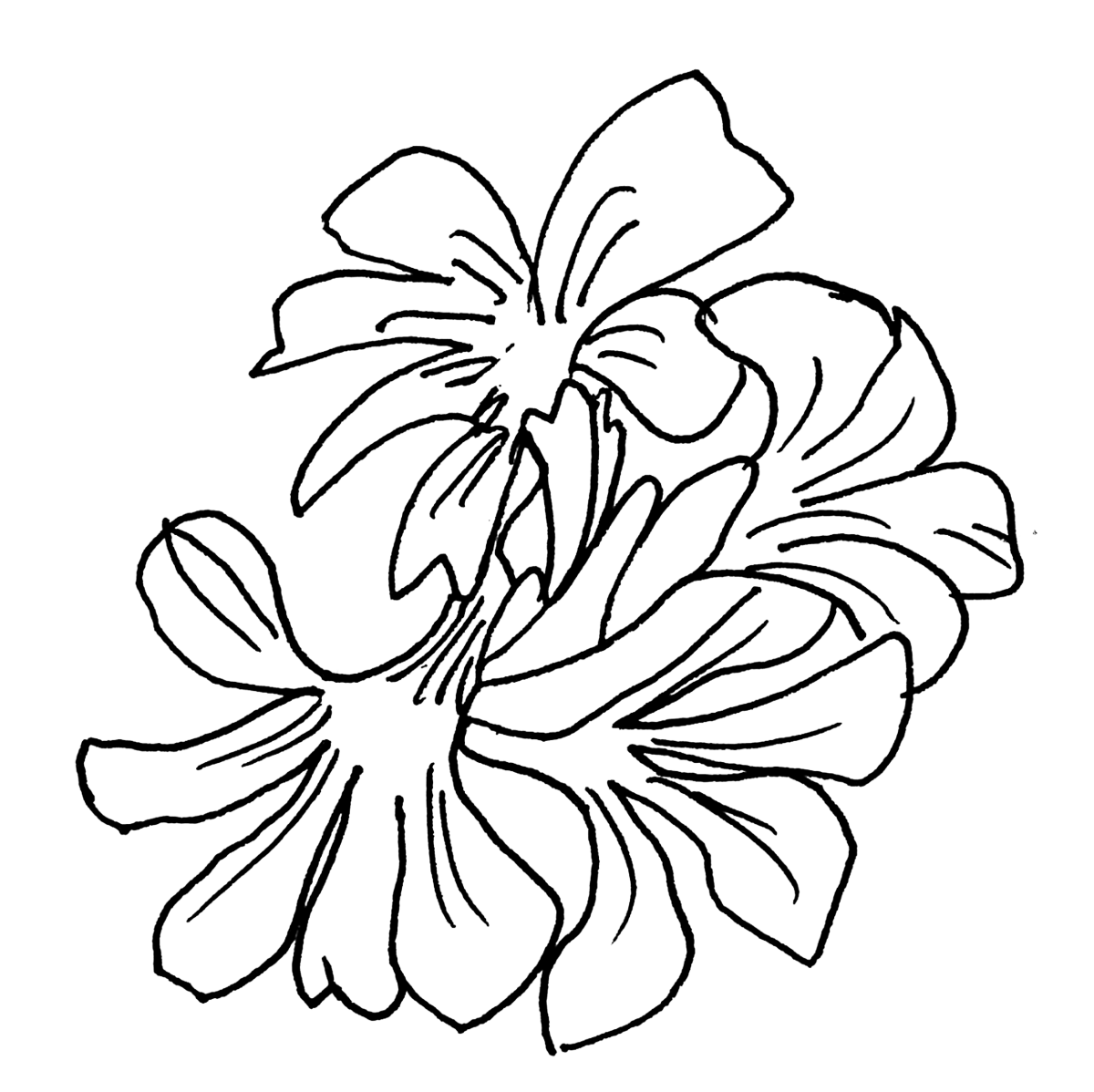
DUNE FAN FLOWER:
SCAEVOLA CALENDULACEA
The Dune Fan Flower is a resilient coastal ground cover with powder‑blue blooms. Scaevola spans Australia, the Pacific, and Africa.
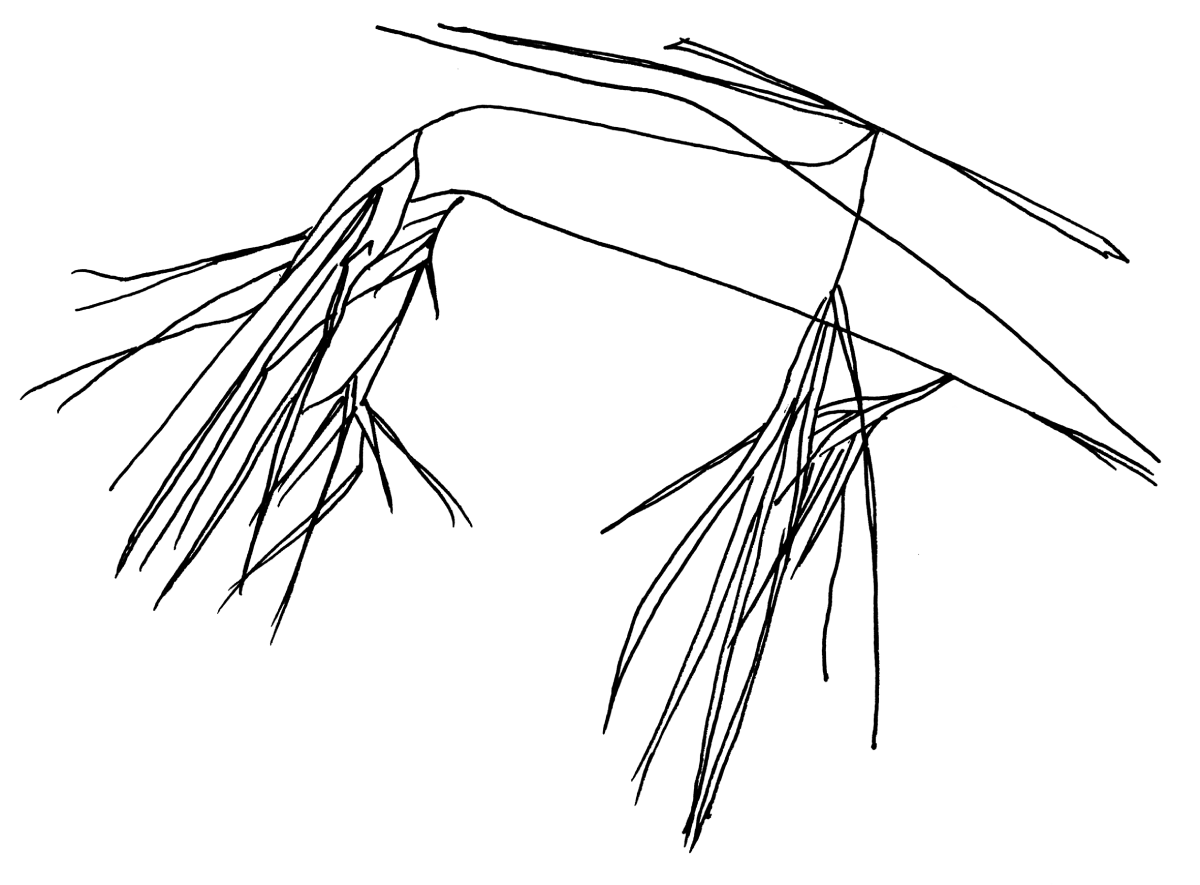
BLUE KANGAROO GRASS:
THEMEDA TRIANDRA
‘TRUE BLUE’
Blue Kangaroo Grass is an iconic Australian native perennial grass with blue‑green foliage and soft, feathered seeds that add texture and movement. Found across Australia, Asia, and Africa, its seeds can also be ground into flour.
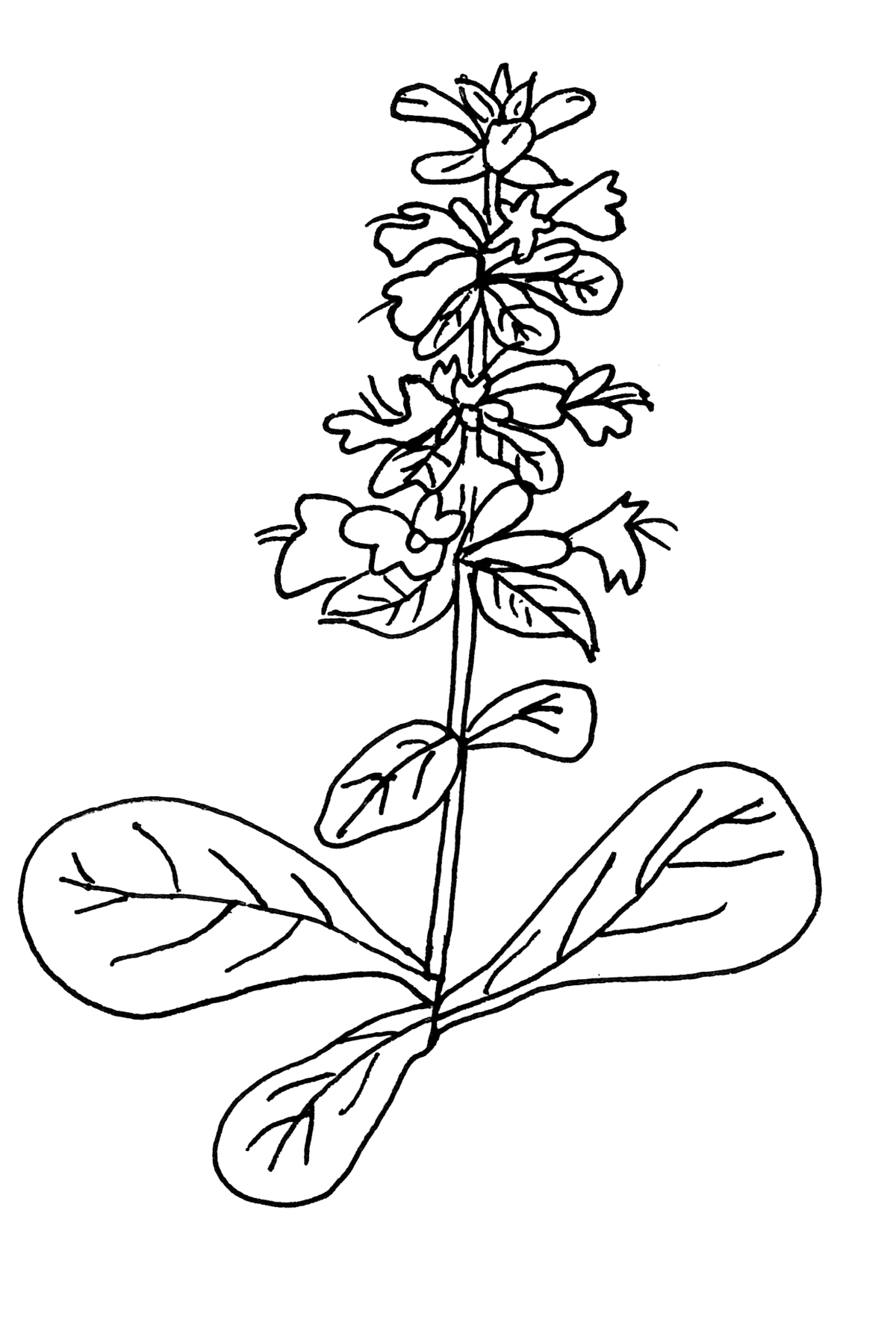
AUSTRAL BUGLE:
AJUGA AUSTRALIS
The Austral Bugle is a spreading Australian perennial with purple‑mauve flowers, forming dense, resilient groundcover. It creeps through plantings, covers planters, and acts as living mulch to conserve moisture and suppress weeds.
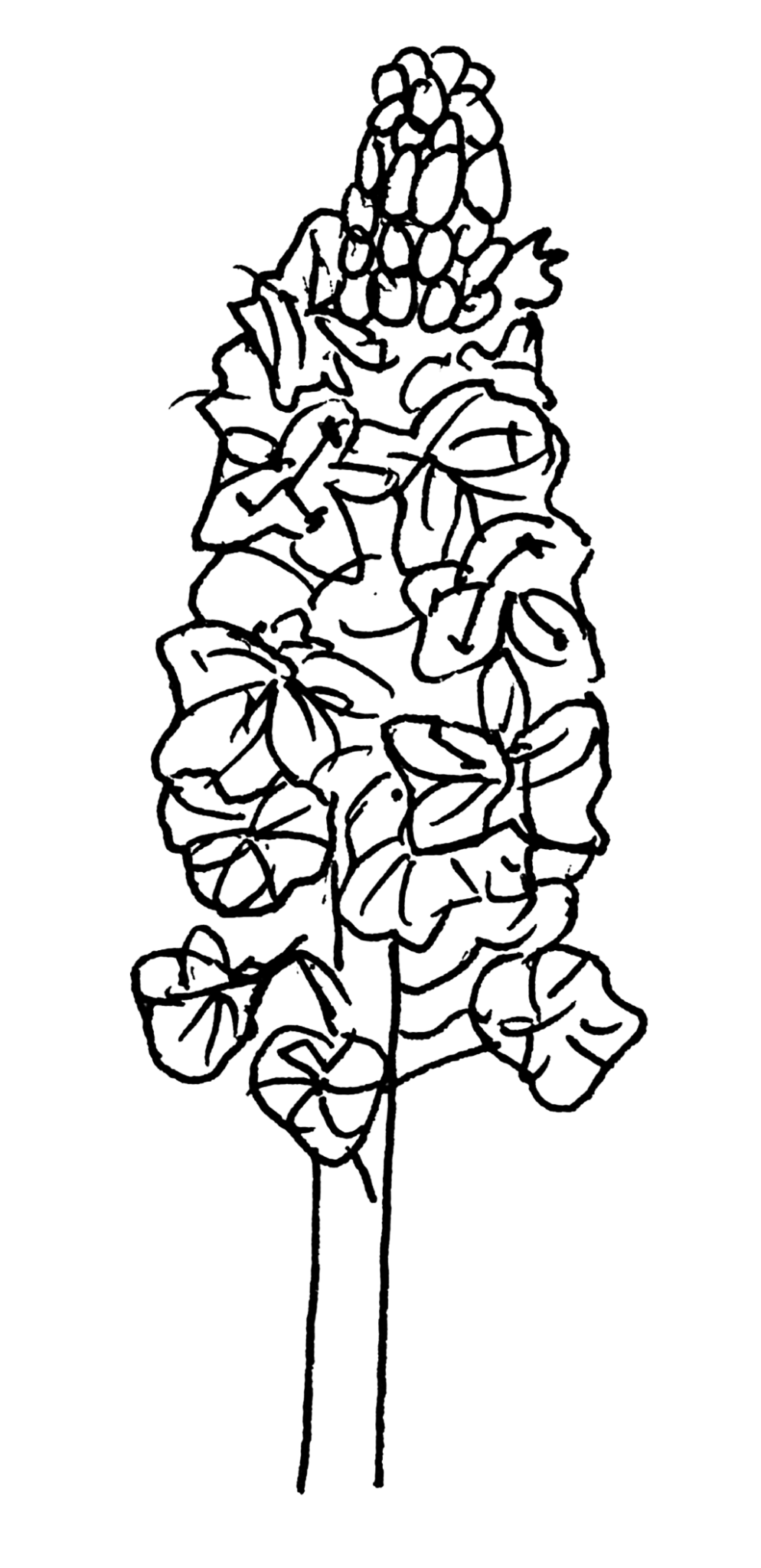
CAT’S TAIL:
BULBINELLA NUTANS
Bulbinella Nutans is a winter‑flowering yellow geophyte that brightens urban plantings before retreating in summer. The introduced Cat’s Tail resembles the native Bulbine Bulbosa but flowers at a different time.
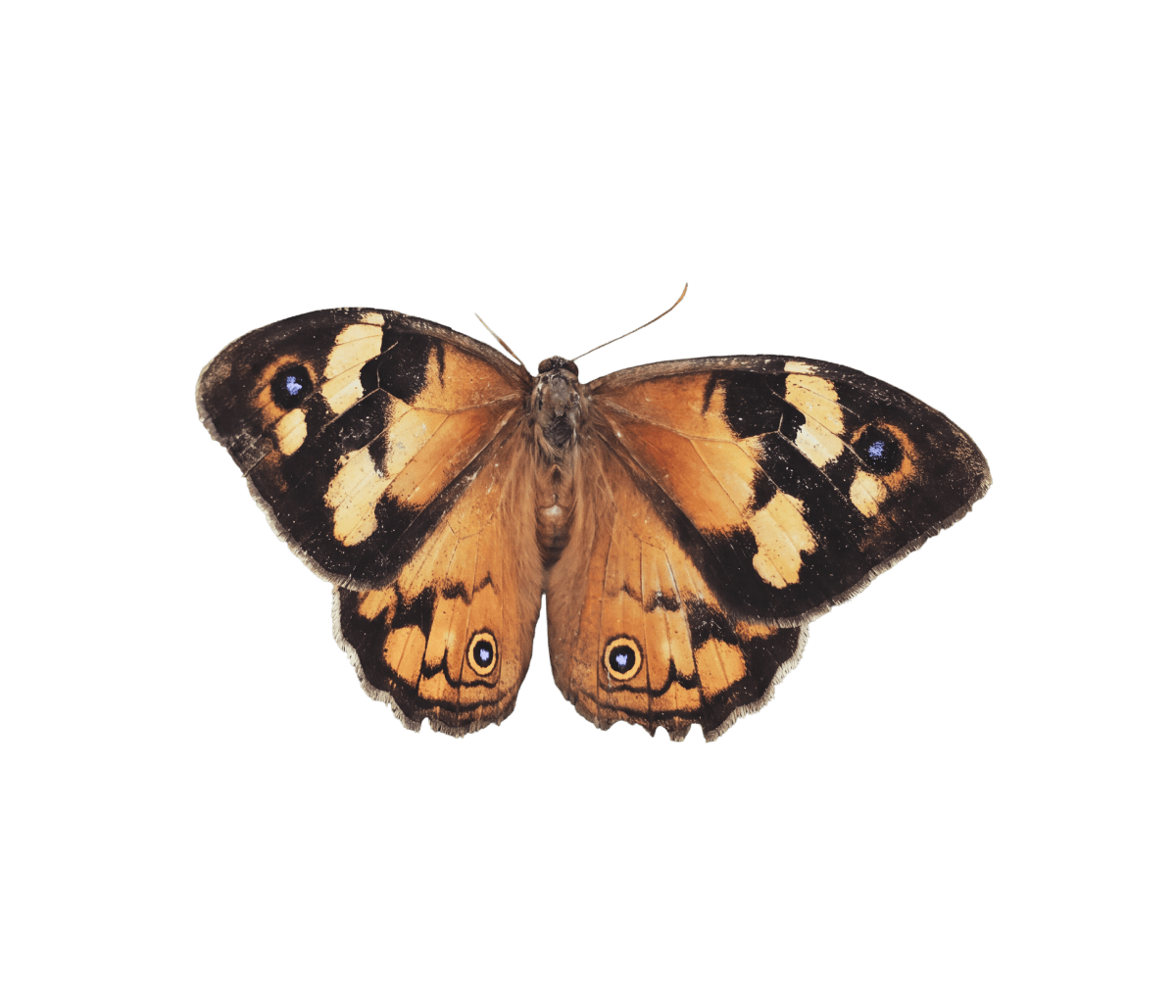
COMMON BROWN:
HETERONYMPHA MEROPE
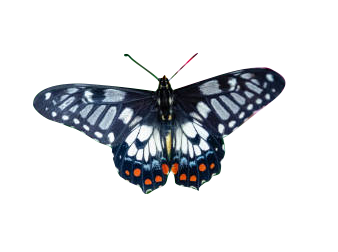
DAINTY SWALLOWTAIL:
PAPILIO ANACTUS
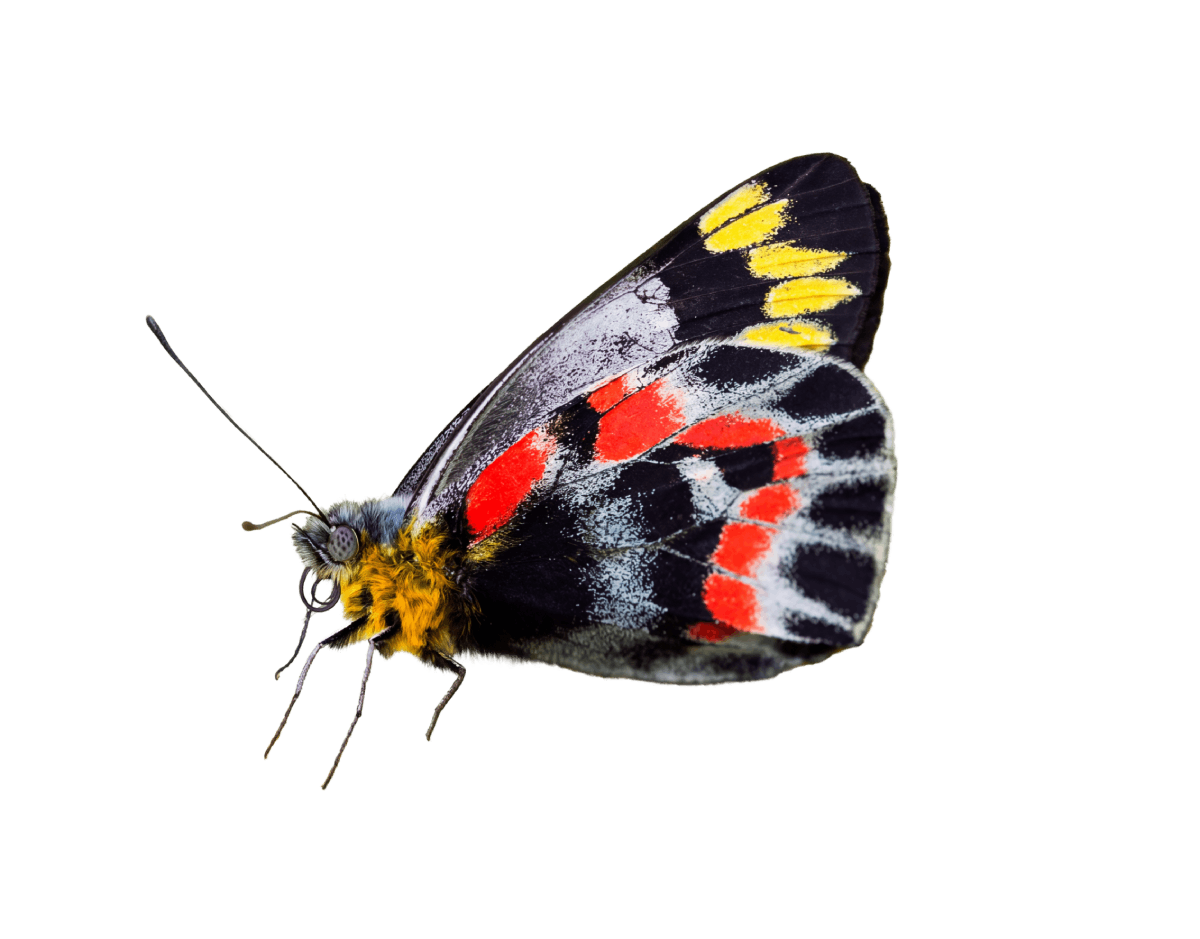
IMPERIAL JEZEBEL:
DELIAS HARPALYCE
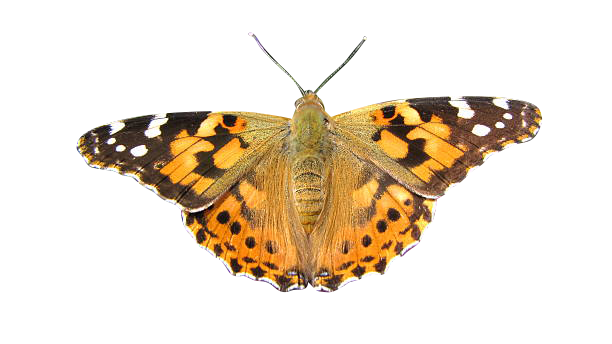
AUSTRALIAN PAINTED LADY:
VANESSA KERSHAWI
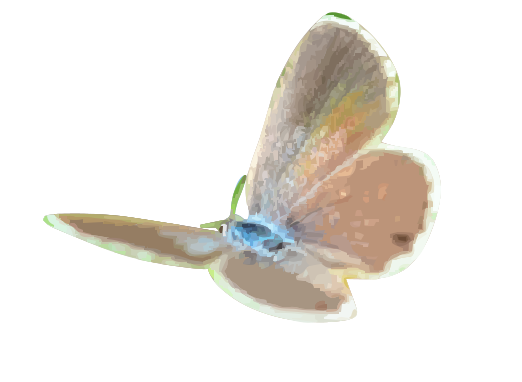
LESSER GRASS BLUE:
ZIZINA OTIS
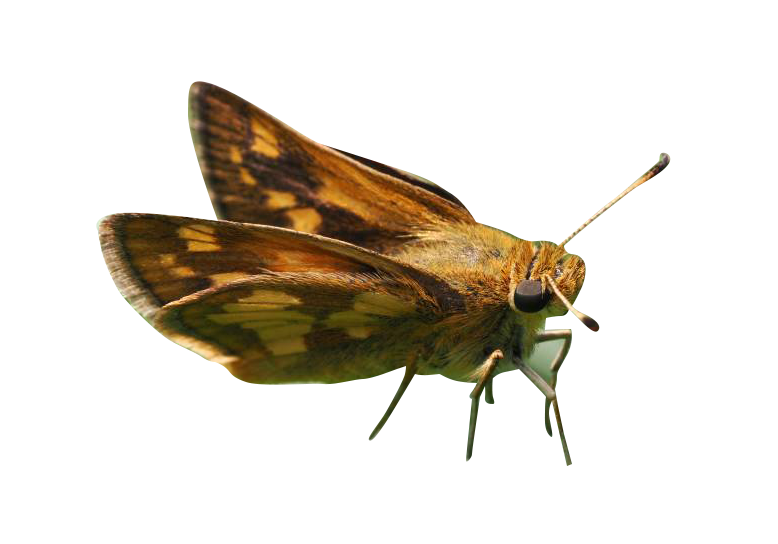
GREEN GRASS DART:
OCYBADISTES WALKERI
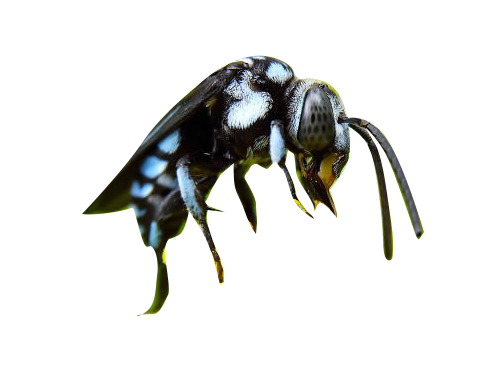
CHEQUERED CUCKOO BEE:
THYREUS CAERULEOPUNCTATUS
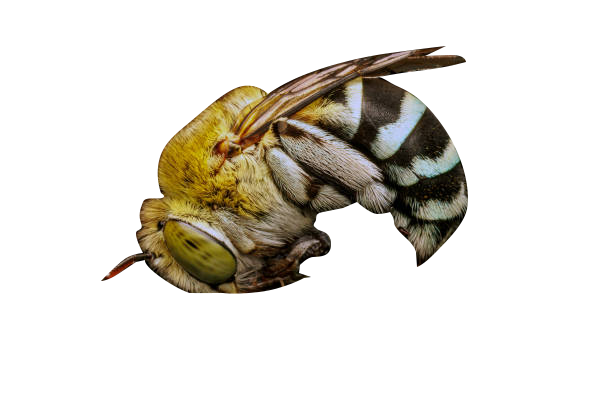
BLUE-BANDED BEE:
AMEGILLA SP.
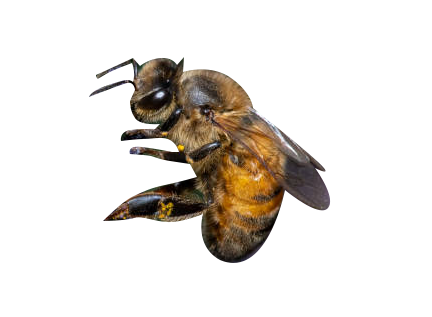
EUROPEAN HONEY BEE:
APIS MELLIFERA
Share Your Feedback
If you’d like to leave feedback on the 600 Collins Nature Activation, we’d love to hear from you. Please share your feedback via the form here.